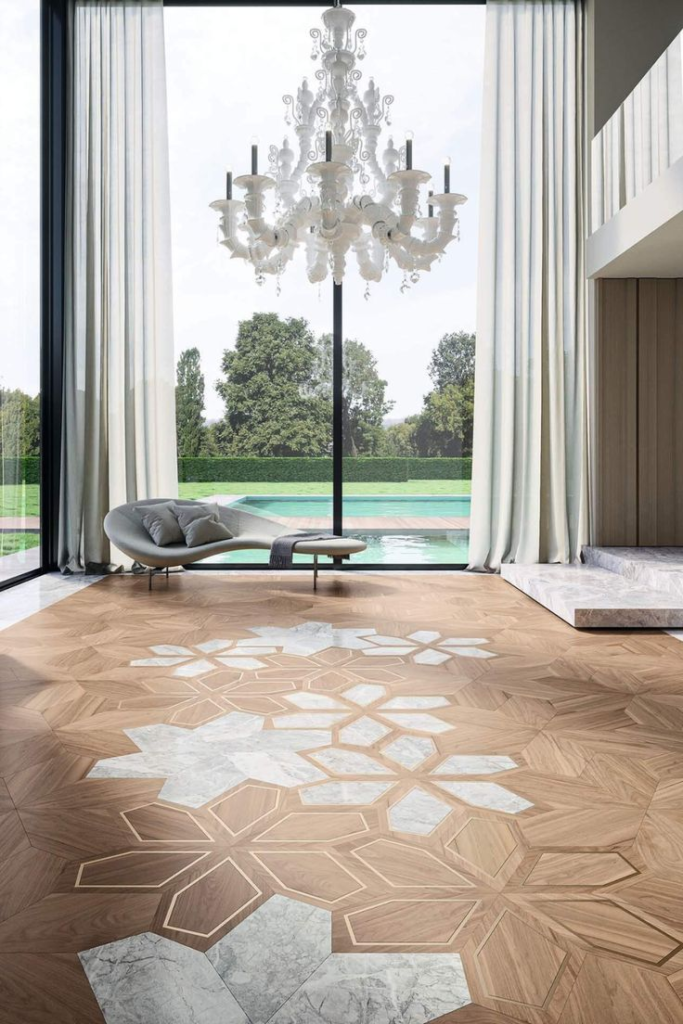
Irregular parquet flooring is redefining modern interior design. Unlike traditional strip flooring, irregular parquet uses non-standard geometric shapes—hexagons, trapezoids, lotus leaves, diamonds, and more—to create unique visual effects through flexible splice, transforming the floor from mere “background” into a “centerpiece.”
The global parquet flooring market is in a period of rapid growth, with the market size valued at approximately $58.93 billion in 2025 and projected to reach $89.79 billion by 2032, with a compound annual growth rate (CAGR) of 6.2%. The maturity of modern manufacturing processes and CNC precision machining technology has significantly improved the cutting precision and installation standardization of irregular flooring, eliminating the need for expensive handmade. This article provides a systematic analysis of the definition, application scenarios, design trends, and purchasing considerations for irregular parquet flooring, helping B2B buyers and designers make more informed product selections.
What is Irregular Parquet Flooring?
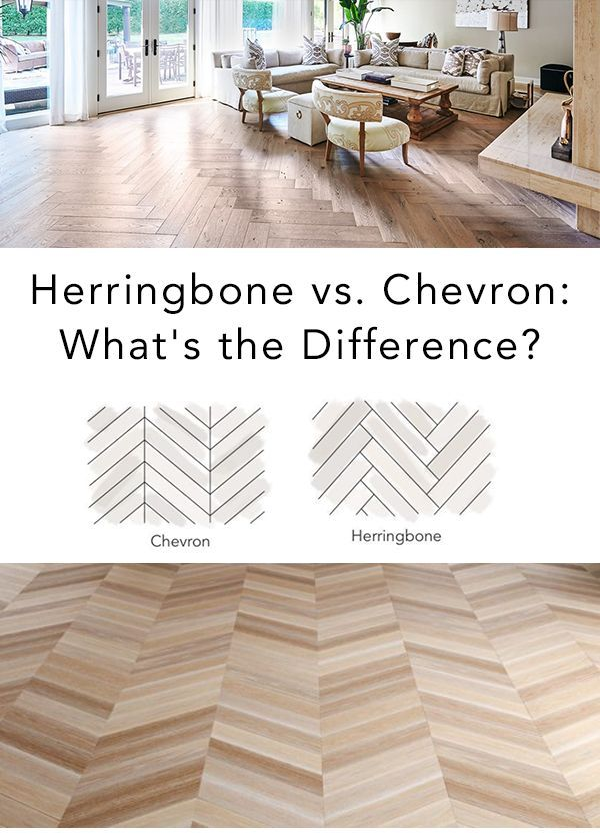
regular parquet flooring refers to floor covering materials made from wood flooring units that adopt non-standard geometric shapes, which are combined through various splicing methods to form continuous patterns. Unlike traditional strip flooring or standard herringbone and chevron patterns, irregular parquet creates unique visual effects through variations in cut shape and freedom of assembly.
Main Shape Types
Shape Type Characteristics Common Applications
Hexagon Clean and regular lines, simple and elegant geometric structure, suitable for Nordic style and modern minimalist design Residential living rooms, Nordic-style homes, modern minimalist guest rooms
Trapezoid/Diamond Derived from the Château de Versailles造型, can form concealed hexagonal star outlines through surrounding拼接 French light-luxury residences, boutique hotels
Lotus Leaf/Biomimetic Curve Wood grain radiates outward from the center, no rigid edges, warm and soft raw wood style Japanese-style homes, spa centers, wellness spaces, children’s areas
Design Features
Visual Impact: Irregular shapes create a sense of movement and rhythm, making the floor a focal point of the space
Space Adaptability: Various shapes adapt to different spatial dimensions and functional requirements
Material Efficiency: Through optimized cutting, irregular shapes can achieve higher material utilization rates
Installation Flexibility: Suitable for both floating (click-lock) and glue-down installation methods
Manufacturing Process
The production process of irregular parquet flooring includes the following key steps:
Precision Cutting: Using CNC machines to achieve cutting precision within ±0.1mm
Edge Treatment: Optimizing the bevel angle to ensure seam tightness
Surface Finishing: Multi-layer UV coating to enhance wear resistance
Quality Inspection: 100% inspection to ensure shape and dimensional consistency
Irregular Parquet Application Scenarios
- Boutique Hotels & Resort Projects
Boutique hotels and resorts demand unique design languages, and irregular parquet flooring has become a favored choice for designers due to its distinctive visual language. According to market analysis, high-end hotels prioritize the uniqueness and durability of flooring materials, with irregular parquet becoming increasingly common in lobbies, corridors, and suites.
Key Selection Criteria:
Wear layer thickness ≥4mm, ensuring at least 2-3 refinishing opportunities
Surface finish selection: UV-cured coatings provide excellent scratch resistance
Installation method: glue-down recommended to ensure long-term stability
- High-End Residential Developments
In luxury residential projects, irregular parquet flooring serves as the defining element that elevates a property’s perceived value. Consumer research indicates that homebuyers’ purchase intentions increase significantly when the flooring design is unique. In the current property market, unique flooring designs serve as an effective way to differentiate projects.
Popular Trends:
Large-format irregular panels: reducing seams, enhancing spatial continuity
Natural wood tones: a growing preference among modern consumers
Matte finishes: reducing glare, extending the visual life of the floor
- Retail Spaces & Boutiques
In the retail sector, irregular parquet flooring serves as an effective tool for creating brand identity. Consumers’ perceptions of a brand are influenced by the store environment, with flooring design being one of the most important elements of the overall store environment.
Design Recommendations:
Choose shapes that complement the brand style
Pair with branded color schemes
Consider foot traffic flow and maintenance requirements