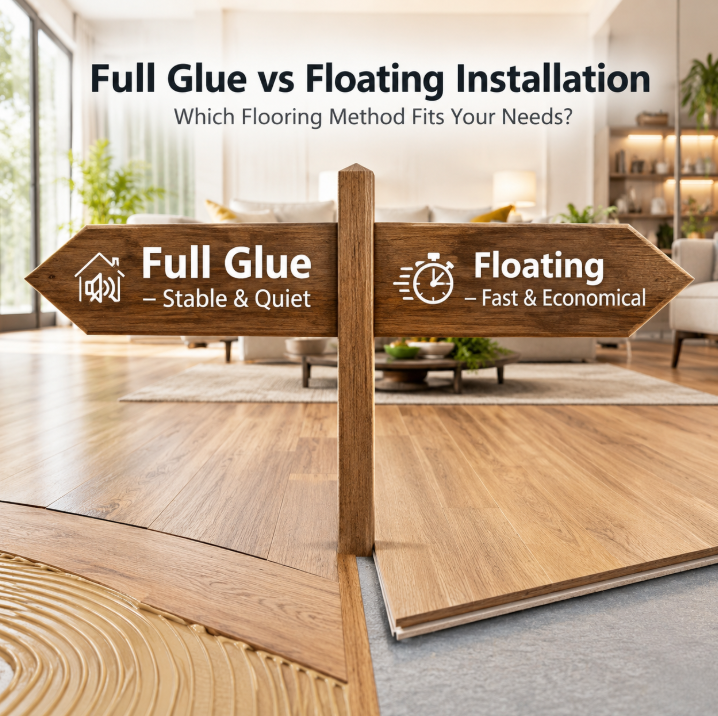
A practical guide to help you choose the right installation method for your engineered wood flooring project
When it comes to installing engineered wood flooring, one question comes up more than any other: Should I go with full glue-down or floating installation?
Both methods have their supporters. Both have clear advantages and drawbacks. The right choice depends on your project type, budget, subfloor condition, and long-term expectations.
This guide breaks down everything you need to know about these two installation methods — so you can make an informed decision with confidence.
What Is Floating Installation?
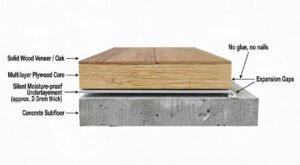
Floating installation means the floor is not attached to the subfloor. Instead, the planks are connected to each other — usually through a click-lock or tongue-and-groove system — and laid over an underlayment.
The floor “floats” above the subfloor, with a small expansion gap left around the perimeter to accommodate natural movement in the wood.
Advantages of Floating Installation:
Speed and simplicity. Floating floors are fast to install. No glue means no drying time — you can walk on the floor immediately after installation. For DIY enthusiasts, floating floors are the most accessible option.
Cost-effective. With no adhesive purchase required and lower labour costs, floating installation is significantly more budget-friendly. It’s often the go-to choice for rental properties, investment properties, or first-home renovations.
Easy removal and replacement. Floating floors can be disassembled and potentially reused. Damaged sections are easier to access and replace compared to glued-down floors.
Works over existing flooring. Floating floors can often be laid directly over existing tiles, vinyl, or concrete — as long as the surface is flat and stable — saving time and demolition costs.
Disadvantages of Floating Installation:
Hollow sound and underfoot movement. The most common complaint is the hollow “drumming” sound when walking on the floor. This is due to the air gap between the floor and subfloor. Some people also notice slight movement underfoot.
Less stable in demanding conditions. Floating floors are more sensitive to temperature and humidity changes. In areas with significant moisture fluctuation, they can expand, contract, or develop gaps.
Limited compatibility with underfloor heating. Floating floors create an insulating air gap that reduces heating efficiency and can void warranties on some systems.
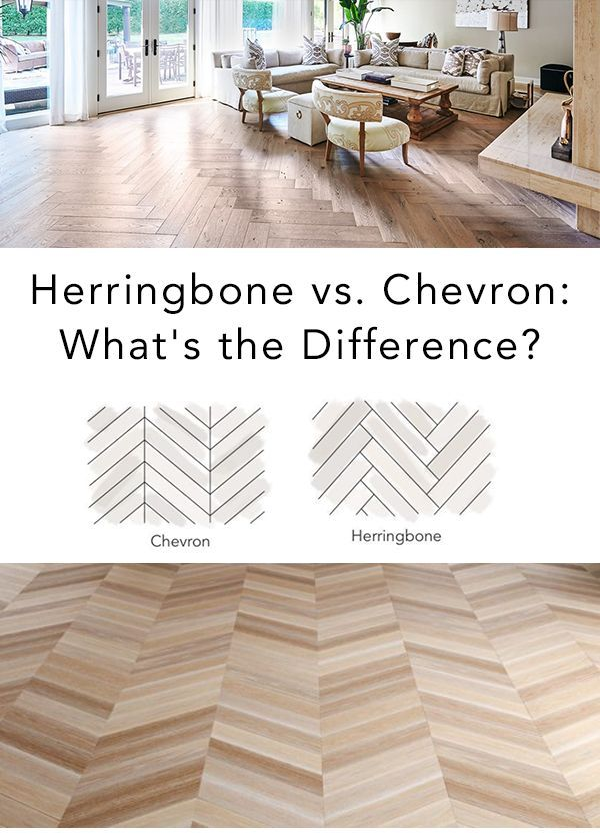
Restrictions on patterns. Floating installation is typically limited to straight plank layouts. Intricate patterns like herringbone or chevron are difficult — and not recommended — to float.
What Is Full Glue-Down Installation?
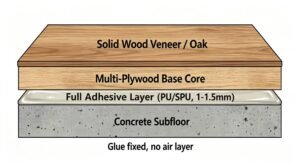
Full glue-down installation means each plank is permanently bonded directly to the subfloor using a specially formulated adhesive. The floor is fixed in place, with no air gap underneath.
Unlike floating floors, glue-down installation requires a flat, clean, and dry subfloor. Once the adhesive is applied, the planks are pressed into place and left to cure.
Advantages of Full Glue-Down Installation:
Superior stability. Glue-down floors are permanently fixed to the subfloor. They won’t shift, lift, or develop gaps under heavy foot traffic or rolling loads. This makes them ideal for commercial spaces, offices, and retail environments.
No hollow sound. Because the floor is bonded directly to the subfloor, there’s no air gap and no hollow “drumming” noise. The floor feels solid and quiet underfoot.
Better for underfloor heating. The direct contact between the timber and the heated slab allows efficient heat transfer. Floating floors, by contrast, can reduce heating efficiency.
Suitable for intricate patterns. Herringbone, chevron, and parquetry patterns — which involve numerous small cuts and tight angles — are best installed using the glue-down method to maintain pattern integrity over time.
Easier to refinish. Glue-down floors can be sanded more easily without the bounce that floating floors can develop during sanding.
Better acoustic performance. Glue-down installation typically achieves better sound insulation than floating alternatives.
Disadvantages of Full Glue-Down Installation:
Higher cost. Glue-down installation requires adhesive, professional application, and more labour time. Expect to pay more in labour compared to floating.
Difficult to replace. Once a glued-down plank is damaged, replacing it is more complex and expensive.
Subfloor preparation is critical. The subfloor must be dry, level, and completely clean. Any imperfection will telegraph through the finished surface.
Not a DIY job. Glue-down installation requires experience with adhesive application, timing, and proper trowel technique. Mistakes are difficult and expensive to correct.
How to Choose the Right Method
The choice between floating and glue-down depends on several factors. Here are the key questions to ask yourself.
1. Where is the floor being installed?
If you’re installing on a concrete slab, glue-down is often the more practical choice. If you’re installing over an existing floor, floating may be easier. For basements or areas with moisture concerns, glue-down with proper adhesive provides better protection.
2. Do you have underfloor heating?
If yes, glue-down is the better choice. The direct contact between the timber and the heated slab allows efficient heat transfer. Floating floors create an insulating air gap that reduces heating efficiency.
3. Are you installing straight planks or intricate patterns?
For straight plank layouts, both methods work. For herringbone, chevron, or parquetry, glue-down is the recommended method to maintain pattern integrity over time.
4. What is your budget?
If budget is a primary concern, floating is the more cost-effective option. If you’re willing to invest for long-term stability and performance, glue-down is worth the extra cost.
5. Do you want a quiet floor?
Glue-down floors are significantly quieter than floating floors. The direct bond to the subfloor eliminates the hollow sound that floating floors can produce.
6. Is this a DIY or professional installation?
Floating floors are DIY-friendly. Glue-down requires professional installation.
The Compromise: Localized Glue-Down
A practical compromise for many projects is a hybrid approach: float the main area but glue down specific sections where stability matters most.
For example:
Glue down the perimeter of large rooms to prevent edge movement
Glue down areas under heavy furniture to add stability
Glue down high-traffic zones for extra durability
Glue down the first and last rows to secure the floor edges
This approach gives you the cost and speed benefits of floating installation while adding stability in critical areas. It’s particularly useful in large open-plan spaces where movement can be more noticeable.
Example: A large living room with a floating floor and the area around the kitchen island glued down for extra stability.
What This Means for Your Project
Choose floating installation if you want a fast, budget-friendly, DIY-friendly option that works well for straight plank layouts in stable indoor environments.
Choose full glue-down installation if you want the quietest, most stable, most durable floor — especially if you’re installing intricate patterns, have underfloor heating, or need excellent acoustic performance.
Consider the hybrid approach if you want the cost benefits of floating but need extra stability in key areas.
Ready to find the right engineered wood flooring for your installation method? We offer a wide range of engineered wood products suitable for both floating and glue-down installation — factory-direct at competitive prices.
📩 Contact us for catalog and samples.