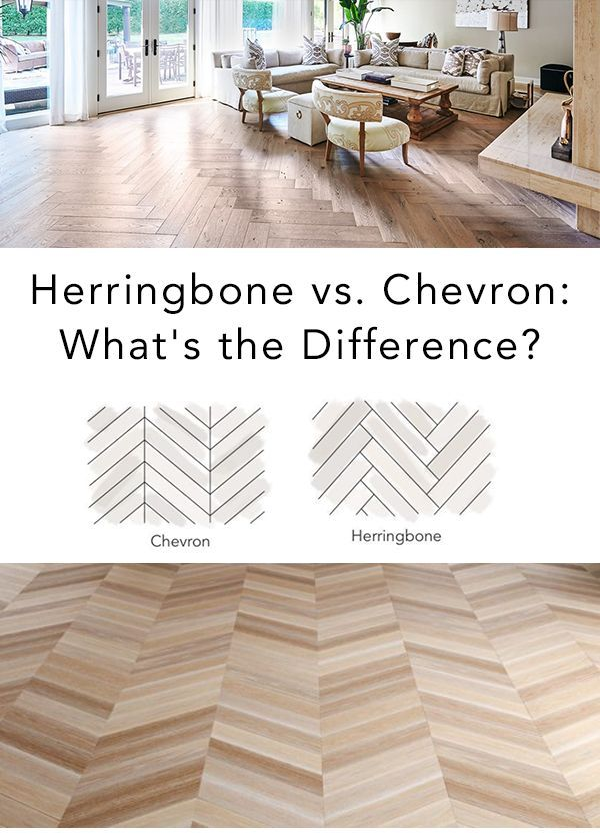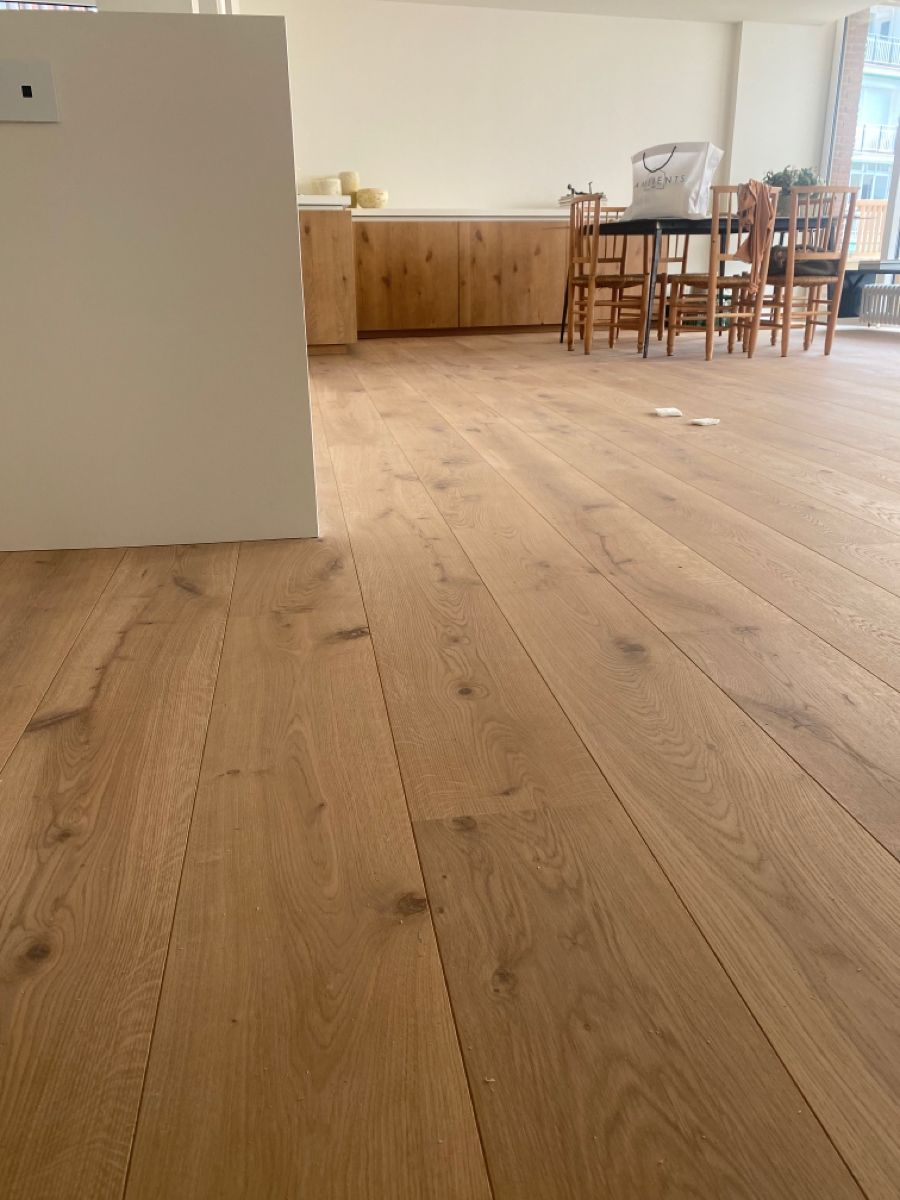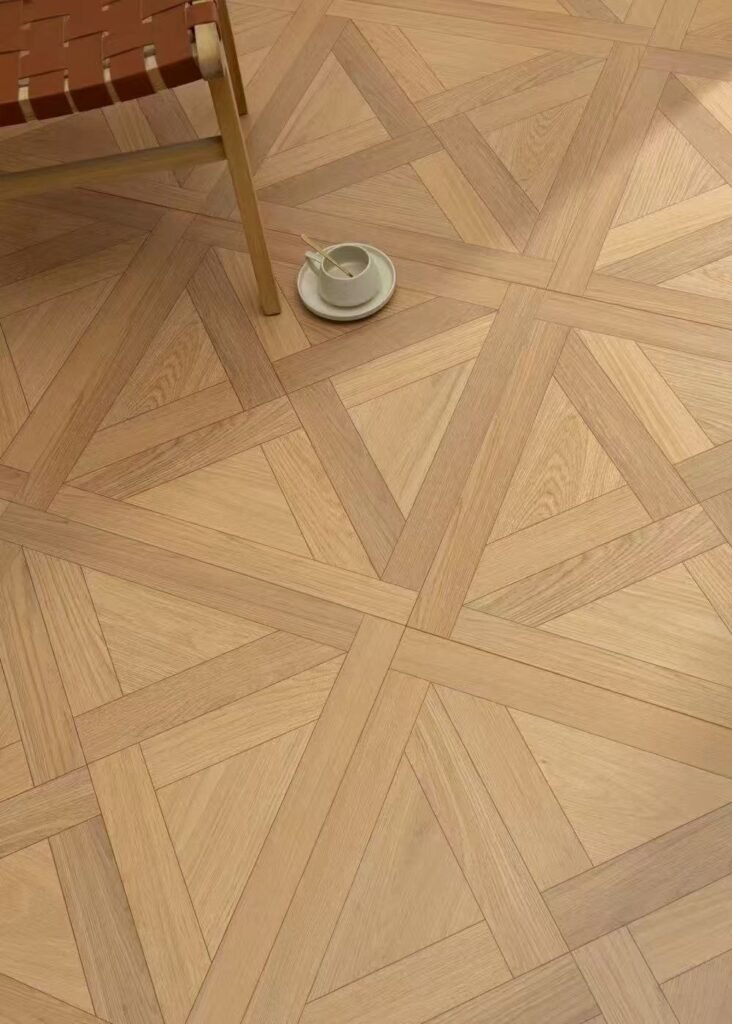
Engineered wood flooring is the go-to choice for modern projects, but not all engineered floors are created equal. This guide breaks down the key technical specs — veneer thickness, core construction, locking systems, and grading — to help buyers make informed sourcing decisions.
Engineered wood flooring has become the standard for residential and commercial projects worldwide. Its dimensional stability, compatibility with underfloor heating, and design versatility make it a preferred choice over solid wood.
But for B2B buyers — distributors, contractors, and developers — the real question is: How do you evaluate quality and value across different suppliers?
Here are the key specifications to examine when sourcing engineered wood flooring.
1.Veneer Thickness: The Most Critical Factor
The top layer (wear layer) determines how many times the floor can be sanded and refinished over its lifetime.
Veneer Thickness Lifespan Expectancy Best For
0.6mm – 1.2mm Limited refinishing potential Budget-conscious projects, short-term use
2mm 1-2 refinishes Residential, moderate traffic
3mm – 4mm Multiple refinishes High-end residential, commercial spaces
5mm+ Comparable to solid wood Luxury projects, long-term investment
Sourcing Tip: For projects where longevity and value retention matter, 2mm or 3mm veneer offers the best balance of cost and durability. For premium commercial bids, specify 4mm.
2.Core Construction: Stability Is Everything
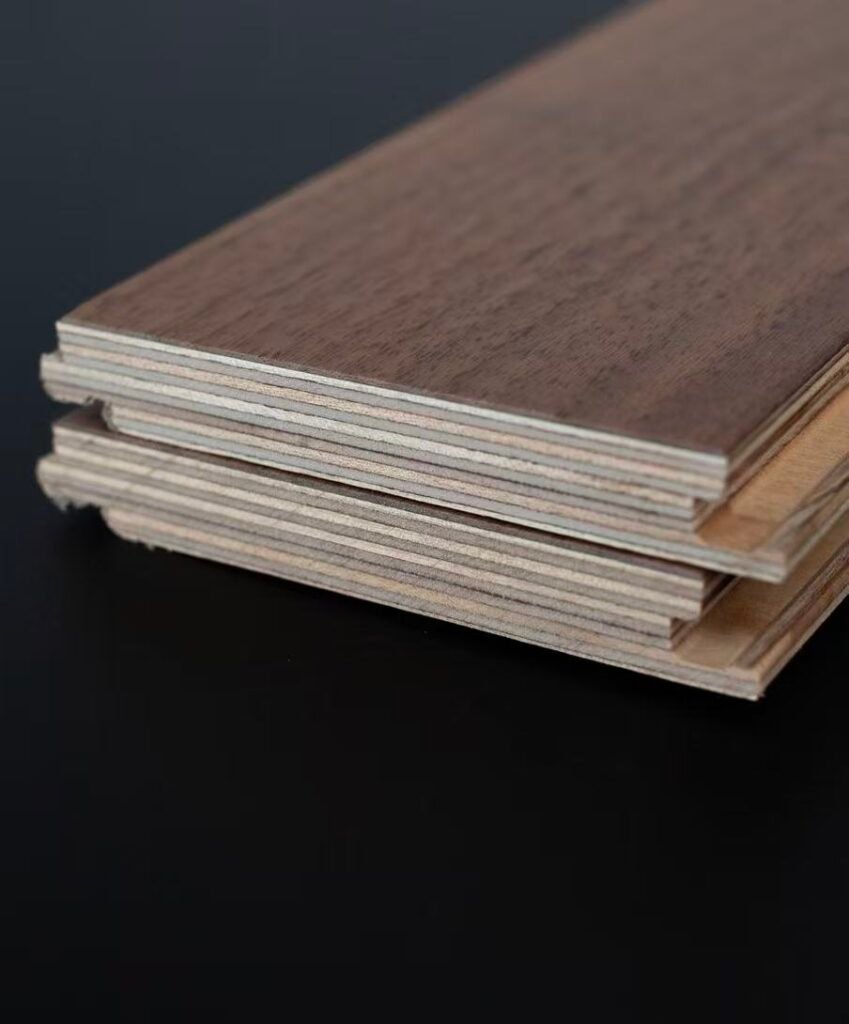
The core layers provide dimensional stability — preventing the floor from expanding, contracting, or cupping with humidity changes.
Plywood Core (Multiple Layers, Cross-Constructed): The most stable option. Used by premium manufacturers. Resists warping and performs well with underfloor heating.
HDF (High-Density Fiberboard) Core: Dense and smooth, often used in click-lock systems. Less moisture-resistant than plywood.
SPC / Rigid Core: Completely waterproof, but falls under the hybrid category rather than traditional engineered wood.
Best Practice: For high-humidity areas or commercial projects with strict performance requirements, plywood core construction is the most reliable choice.Locking Systems: Speed and Strength MatterBest Practice: For high-humidity areas or commercial projects with strict performance requirements, plywood core construction is the most reliable choice.
3.Locking Systems: Speed and Strength Matter
The locking system affects installation speed, labor cost, and the long-term integrity of the floor.
Unilin / Välinge 5G: The industry gold standards. These systems offer strong joint strength, easy installation, and the ability to float the floor over most subfloors.
Drop-Lock: A simpler system; quicker to install but may not offer the same joint stability in high-traffic areas.
Glue-Down: Traditional method. Reliable but slower and more expensive to install, and difficult to repair.
Sourcing Tip: For projects where speed and labor cost are priorities, specify a 5G or Välinge locking system. This reduces installation time and ensures consistent joint performance.
4.Surface Finish: Texture and Maintenance
The finish impacts not just the look, but also maintenance requirements and durability.
UV Oil: Natural, matte, enhances wood texture. Requires periodic re-oiling. Preferred in design-led projects.
Lacquer: Durable, easy to clean, available in different sheen levels. Best for commercial and rental properties.
Brushed: Wire-brushing adds texture and masks minor scratches. Ideal for rustic or “lived-in” aesthetics.
Smoked / Fumed: Color-change process that enhances grain contrast. Adds premium value.
Sourcing Tip: For commercial bids, lacquered finishes are the most practical. For residential and design-led projects, UV oil + brushed is the current trend leader.
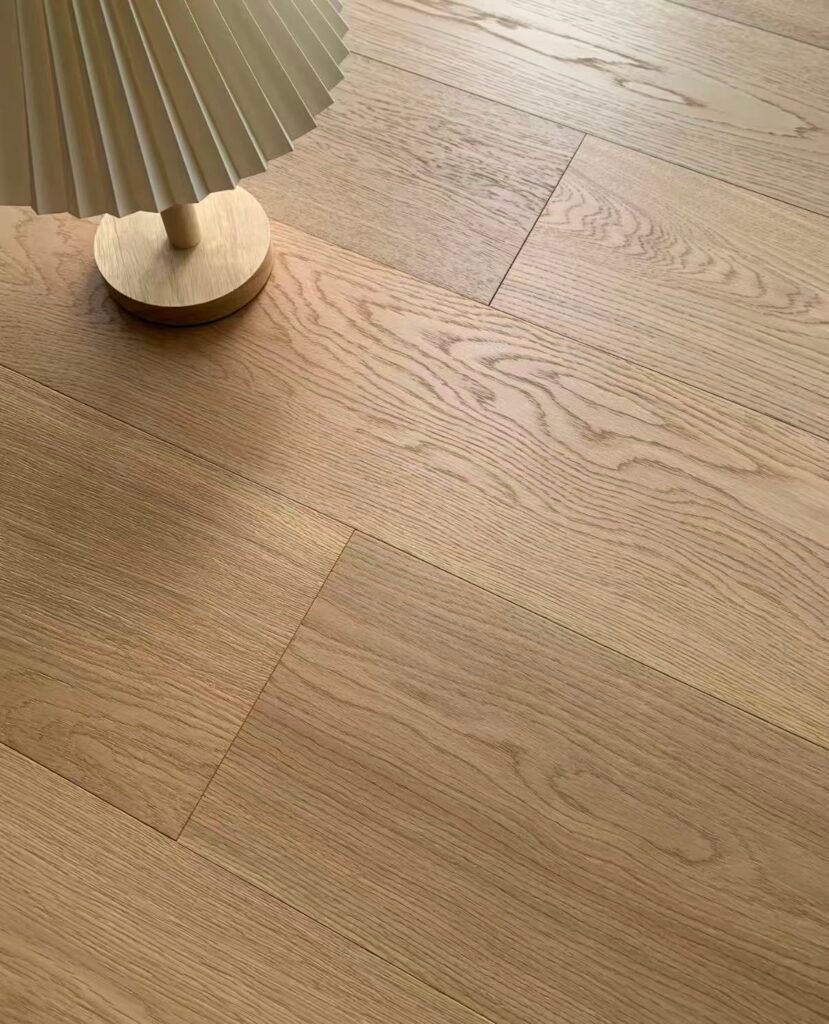
5.Grading: Natural Character vs. Uniformity
Grading refers to the appearance of the wood surface — how much natural variation, knots, and color variation is present.
Grade Appearance Best For
Prime / Select Uniform color, minimal knots Modern, minimalist projects
Natural / Rustic Visible knots, grain variation Traditional, farmhouse, character-rich designs
Mixed / ABC Combination of grades Budget-conscious projects, value-driven bids
Sourcing Tip: For high-end residential and commercial bids, Prime or Natural grades are preferred. For competitive pricing on volume orders, consider mixing grades to optimize yield.
Final Recommendation
For distributors and contractors sourcing engineered wood flooring in 2026, prioritize veneer thickness (2-4mm) and plywood core construction as non-negotiable quality markers. Choose locking systems based on installation speed requirements, and select finishes and grades based on the target market segment.
As a direct factory, we offer full customization across all these specifications. Samples are available upon request for your team to test and compare.