A complete guide to understanding and preventing wood floor warping
Wood flooring adds warmth and elegance to any home. But nothing is more frustrating than seeing your beautiful new floor start to lift, buckle, or warp. This problem, commonly known as “floor lifting” or “arching,” is not only unsightly but can also be a tripping hazard and lead to costly repairs.
The good news? In over 90% of cases, floor lifting is preventable. It usually comes down to a few key factors that are entirely within your control during selection, installation, and maintenance.
This guide breaks down the most common causes of wood floor lifting and provides actionable tips to keep your floors flat and stable for years.
First, What Is Floor Lifting?
Floor lifting occurs when planks expand so much that they push against each other and the walls, with nowhere to go but up. This creates a noticeable “arch” or “tent” effect in the middle of your floor. It’s a sign that the floor is under immense compression stress.
Top Causes of Floor Lifting

1. Imbalanced Moisture Content
Wood is a natural, hygroscopic material—it absorbs and releases moisture from the air. The moisture content of your floor planks needs to be properly balanced with the environment where they’ll be installed. If the floor is drier than the room, it will absorb moisture and expand.
2. Insufficient Expansion Gaps
All wood floors need room to move. Expansion gaps must be left around the perimeter of the room, against walls, pipes, and door thresholds. If these gaps are too small or filled with debris, the expanding floor has no room to grow and will buckle.
3. Choosing the Wrong Flooring Category
Not all wood floors are created equal. Flooring type matters immensely for stability.
Solid hardwood is more prone to expansion and contraction.
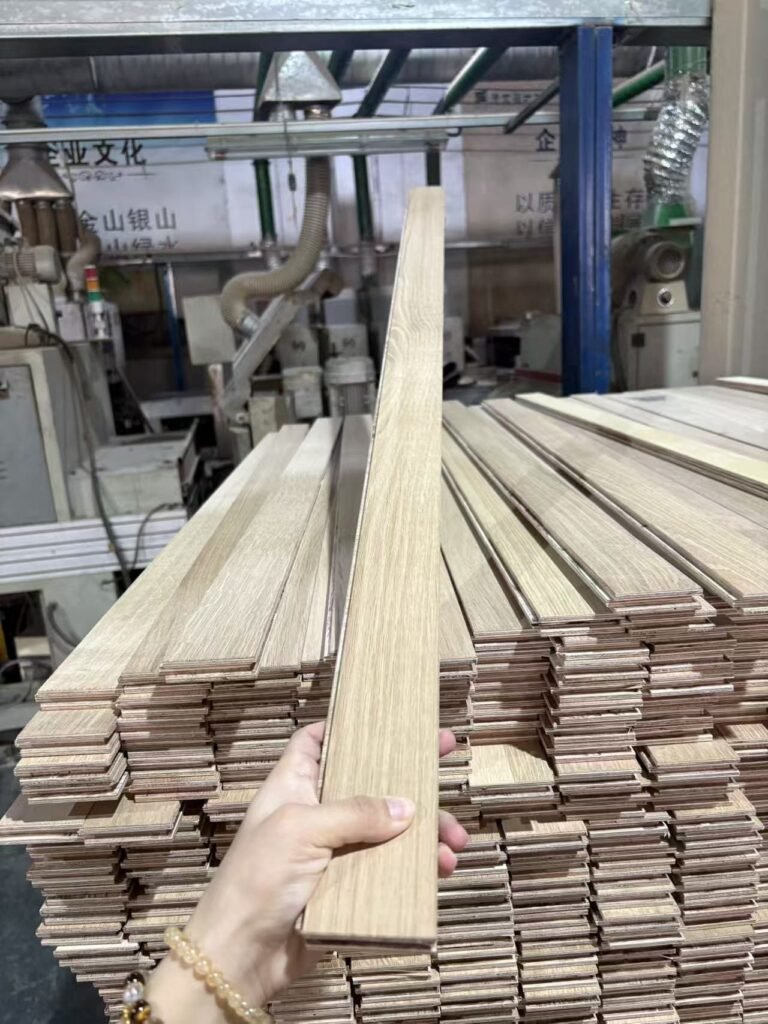
Multi-layer engineered wood, with its cross-layered construction, offers superior stability and is less likely to lift in varying conditions.
4. Installation Area and Layout
The size and shape of the installation area plays a role. Large, open-plan areas experience more significant cumulative expansion than smaller, divided rooms. Long, narrow hallways can also create unique stress points.
5. Climate and City of Installation
The installation environment is critical. Floors installed in coastal cities with high humidity face very different challenges than those in dry, inland climates. Your floor must be suited to its specific local environment.
6. Installation Method
The installation method you choose affects how the floor handles stress.
Floating floors require very clean, flat subfloors and proper underlayment.
Glue-down or nail-down installations offer more direct anchorage but still require expansion gaps.
7. Joining Method
The joining method refers to how planks are connected. A poor or tight fit can restrict natural movement, contributing to stress buildup.
8. Wood Species
Different wood species have different natural shrinkage and expansion rates. Some woods are inherently more stable than others, which is a key factor to consider.
How to Prevent Floor Lifting: 4 Essential Tips

1. Acclimate Your Flooring
Before installation, let your floor planks adapt to the room’s environment. Store them in the room for at least 48-72 hours. This allows the moisture content of the wood to balance with the room’s humidity.
2. Always Leave Correct Expansion Gaps
Ensure a consistent expansion gap is left around the entire perimeter of the installation. Use spacers during installation to guarantee this. Never let the floor touch the wall.
3. Choose the Right Flooring Category
For high-humidity areas or rooms with underfloor heating, always choose a high-quality multi-layer engineered wood. Its cross-layered plywood core provides the dimensional stability needed to resist lifting.
4. Select the Right Installation Method
Choose an installation method based on your subfloor, environment, and usage. For large areas, consider using transition strips to break the floor into smaller sections, which allows for better stress distribution.
Final Thought
A flat, stable floor is the result of careful planning. By understanding the factors that cause lifting—from moisture balance to installation details—you can avoid the headache and expense of a damaged floor. When in doubt, always consult with a flooring professional who can assess your specific space and recommend the best solution.
Ready to choose a stable, beautiful floor for your home?
We offer premium engineered wood floors designed for lasting stability and style. Contact us today for expert advice and a free catalog!